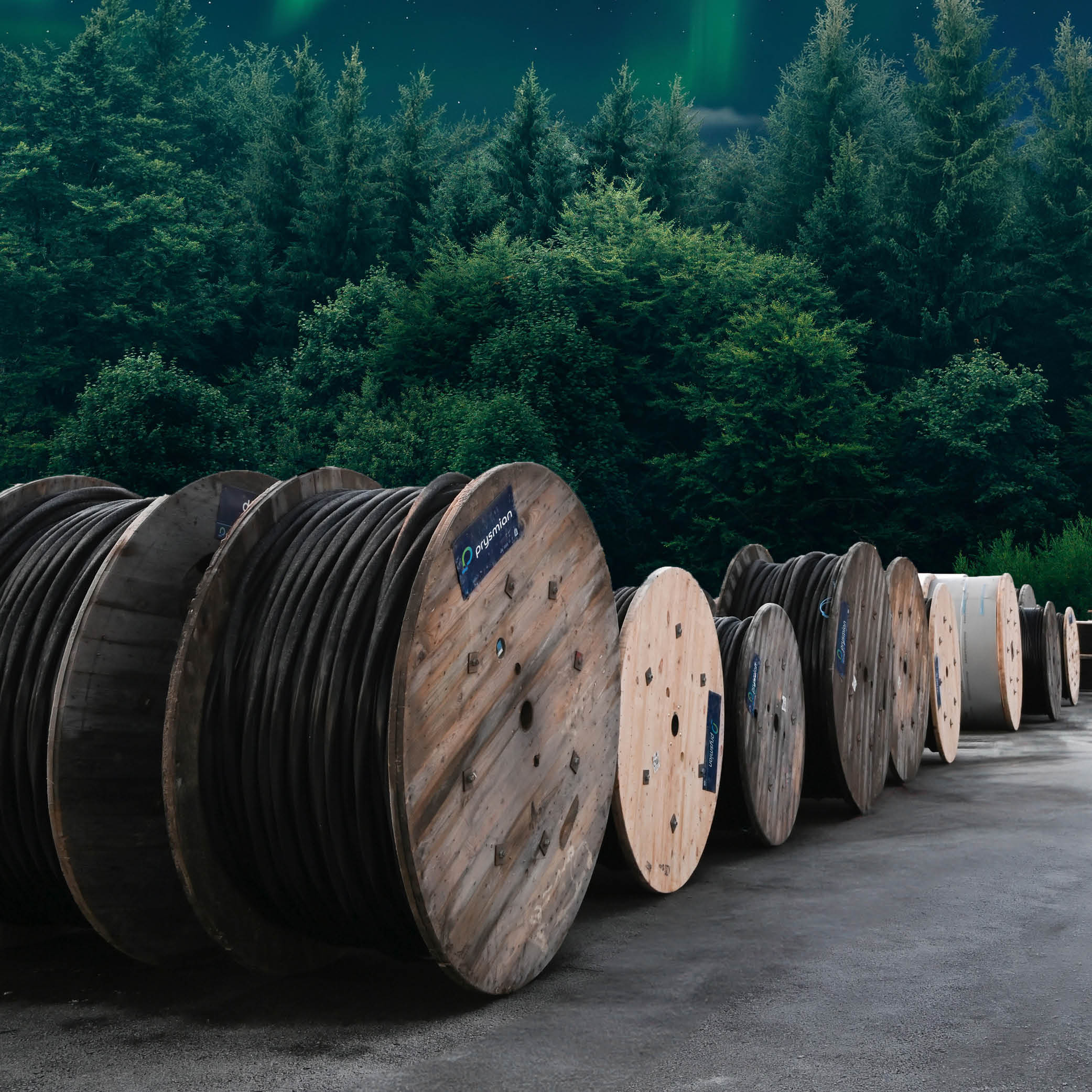




Battery Energy Storage Systems (BESS)

Advantages of BESS solutions

Building on extensive experience in cable systems for solar and wind installations, Prysmian offers a comprehensive portfolio of solutions specifically designed for Battery Energy Storage System (BESS) applications.

Battery systems have become an integral part of future energy solutions

The Battery Energy Storage System (BESS) is rapidly becoming an integral part of renewable energy. While the focus a few years ago was primarily on establishing production capacity, today it has shifted toward balancing the energy system and ensuring return on investment. Cable selection and technical awareness also play a significant role in the profitability of a project. 
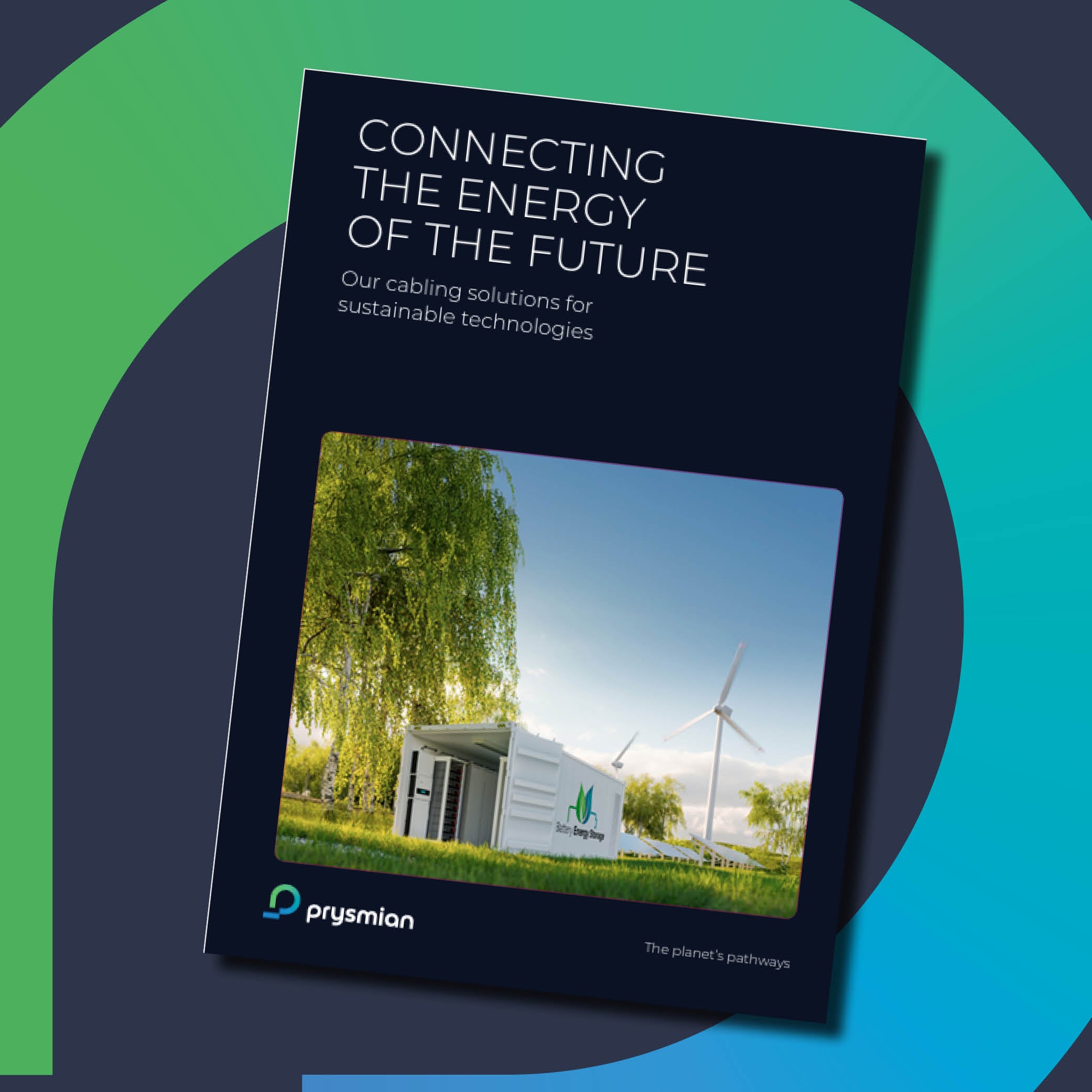
 

Battery Energy Storage (BESS) Resources

Download our BESS brochure to explore Prysmian’s advanced cabling solutions for energy storage, grid stability, and renewable integration. 

Services & Solutions

Discover Prysmian’s comprehensive portfolio of energy and infrastructure solutions. From EOSS advanced monitoring systems to Alesea smart asset management, we support efficient and reliable network operations.

Contact us

Andero Hännikäinen

Frequently Asked Questions

Find below questions that tend to recur. If you do not find the answer or necessary file, please write to us: [email protected]

Cable selection depends on the specific section of the facility, considering voltage levels and environmental conditions. For the DC side between batteries and inverters, specialized flexible cables are used to withstand higher internal and ambient temperatures inside the containers. The low-voltage AC side between the inverter and transformer utilizes standard low-voltage power cables. Finally, the medium-voltage side connecting transformers to the substation and the grid requires robust cables with proper screening and radial water blocking.

These cables are primarily designed to handle high ambient temperatures in densely packed battery containers, where the surrounding air can rise up to 60°C instead of the standard 30°C benchmark. Since cable connections and terminations act as bottlenecks and limit the maximum operating temperature of the station, this thermal headroom is not used to artificially boost the current load. Instead, it ensures that the shift in initial and final temperatures within the hot environment does not cause accelerated aging or degradation of the insulation. This provides a critical safety margin that guarantees long-term system reliability under harsh conditions.

Yes, aluminum cables are widely used and represent a cost-effective alternative, particularly for longer runs between the inverter, transformer, and substation. Aluminum provides substantial savings on material costs and is lighter in weight, which simplifies the installation of large cross-sections. However, due to the lower electrical conductivity of aluminum, a larger cross-section is required compared to copper to carry the same current. This directly impacts the required installation space and demands careful attention when selecting specialized connection accessories compatible with aluminum.

Technically and functionally, 18/30 kV and 19/33 kV cables are completely equivalent and fully compatible. Both types are designed for a maximum operating voltage of 36 kV and generally feature an identical insulation thickness of approximately 8 mm. The difference in their labeling stems purely from regional standards and nomenclature rather than any actual performance capability of the cable. Developers can make their choice based on local grid utility preferences and market availability.

Water protection is absolutely critical, especially in humid soil conditions and areas with high water tables. Longitudinal water blocking prevents moisture from propagating along the inside of the cable if the outer sheath is damaged during installation or excavation. Radial water-tightness, on the other hand, provides complete protection against water vapor diffusion, preventing moisture from entering the insulation under long-term exposure to wet soil. This significantly reduces the risk of water treeing, which leads to insulation breakdown, thereby extending the system's lifespan.

Traditional copper wire screens provide excellent conductivity and are a well-known industry standard, but they often lack complete protection against moisture diffusion. A combined screen utilizes copper wires alongside an aluminum laminate, creating a completely dry and hermetic environment around the cable core. This design reduces the use of expensive copper while maintaining the required electrical conductivity and offering superior moisture protection. Precise optimization of the screen cross-section is essential, as oversized screens generate excessive induced losses during normal operation.

For large-scale BESS projects, the use of radially water-tight cables is highly recommended to ensure the long-term lifecycle of the plant. Since underground cables are continuously exposed to soil moisture and rain throughout their 25-to-40-year lifespan, protection against vapor diffusion is indispensable. A radial water barrier prevents premature degradation of the insulation and the costly unscheduled emergency outages that follow. This is a wise upfront investment that protects the asset owner from unexpected maintenance expenses and production downtime.
 

Optimizing a cable system requires project-specific simulation rather than blindly following standard look-up tables. Designers must account for installation depth, laying formation (such as trefoil or flat layouts), soil thermal resistivity, and earthing configurations. For example, an incorrect choice of screen cross-sections or grounding points can lead to high induced losses, which inadvertently reduce the cable's actual current-carrying capacity. Professional engineering design ensures that the entire network operates at peak efficiency during the dynamic charging and discharging cycles of the batteries.

The primary challenges stem from limited space, high cable density, and intense heat dissipation within the battery container environment. Additionally, BESS projects often face aggressive construction timelines and strict requirements for heavy mechanical protection. To resolve these bottlenecks, highly flexible cables with Class 5 conductors are utilized, making them much easier to route in confined spaces. Pre-engineered cable fixings and cleat systems ensure rapid installation while successfully managing high dynamic mechanical loads.

Thoughtful selection of cables and accessories directly impacts material procurement, excavation volumes, installation labor, and long-term electrical losses. Replacing copper cables with aluminum where installation space permits yields significant direct savings on raw material costs. Furthermore, optimizing screen cross-sections helps minimize electrical energy losses and keeps the auxiliary power consumption of the system low. Proper cable engineering acts as a financial lever that reduces both initial capital expenditure (CAPEX) and ongoing operational costs (OPEX).

Cable accessories, such as terminations, joints, and connectors, represent the critical junctions in an electrical network where failures are most likely to occur. These components must withstand the same environmental impacts, cyclic loads, and short-circuit currents as the cables themselves. Utilizing mismatched or low-quality accessories often leads to localized overheating, partial discharges, and catastrophic insulation breakdown. Specifying a fully tested and certified system of accessories ensures uniform reliability and safety across the entire grid connection.

In the event of a fault, battery systems can release an immense amount of energy almost instantaneously, generating exceptionally high short-circuit currents. These currents subject the cables and screens to severe thermal stress and heavy mechanical shock from dynamic forces. Consequently, the copper screens of medium-voltage cables must be meticulously dimensioned to ground the fault current safely without sustaining damage. Finding the optimal balance between fault resilience and normal operational efficiency requires dynamic modeling to avoid over- or under-dimensioning the screens.

Given the high equipment density and critical fire risks inside battery containers, the flame-retardant and self-extinguishing properties of cables are paramount. Inside the containers and in adjacent connected areas, cables with a high CPR classification (such as B2ca or Cca) should be preferred. It is mandatory to use Halogen-Free Flame Retardant (HFFR/LSZH) materials, which do not propagate flames or emit toxic, corrosive gases during a fire. This protects the investment, minimizes secondary damage, and ensures safe evacuation routes for maintenance personnel.

Since BESS plants operate under highly dynamic and frequently changing load profiles, smart real-time monitoring solutions are becoming the modern industry standard. Distributed Temperature Sensing (DTS) using fiber optics allows operators to detect cable overheating or localized hotspots before a failure occurs. Although premium cables and accessories are designed to be maintenance-free, proactive monitoring and periodic thermography ensure uninterrupted plant operation. This strategy helps extend the lifespan of the entire infrastructure and prevents costly unscheduled shutdowns.

To ensure the future-proof scalability of the plant, expansion capabilities must be integrated into the initial design and civil works phase. Installing an adequate number of spare ducts, empty conduits, or cable trays upfront eliminates the need for disruptive and expensive excavation work later on. It is also wise to size the main medium-voltage lines and substation switchgear according to the ultimate planned maximum capacity of the site. This approach makes connecting subsequent phases a fast, cost-effective process with minimal system downtime.

On the DC side between the battery modules and inverters, cables operate under continuous long-term loads within extremely confined spaces. DC cables must be highly flexible, wear-resistant, and capable of withstanding the high ambient temperatures inside the container without compromising their insulation. Because a DC electric arc is much harder to extinguish during a fault compared to an AC arc, the mechanical and dielectric protection of the cables must be top-tier. Proper cable routing and secure clamping are mandatory to prevent movement and subsequent short circuits caused by heavy electromagnetic forces.